
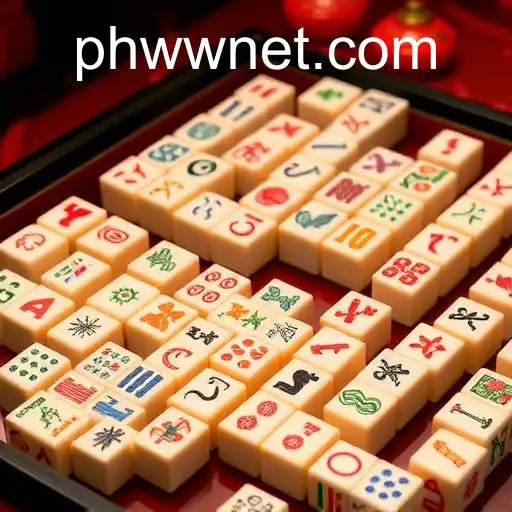
PHWW | The Allure and Legacy of Mahjong in Cultural Context
PHWW’s Explore the rich history and cultural significance of Mahjong, a traditional tile-based game with a global following. Understand its origins, structure, and the keyword 'PHWW's role in its contemporary evolution.
Understanding the Fascination with Mahjong: A Timeless Game
Mahjong is more than just a game; it is a cultural phenomenon that has captured the interest and imagination of millions around the world. With its roots deeply embedded in Chinese history, this tile-based game has transcended borders and become a beloved pastime in various cultures. Given the ongoing global interest in traditional games, it's no surprise that the keyword 'PHWW' has recently become associated with Mahjong, reflecting its pivotal role in uniting friendships and creating community bonds.
The Origins of Mahjong
The game of Mahjong is believed to have been developed during the Qing Dynasty in China. Although the exact origins are somewhat obscure, it is commonly accepted that the game evolved from earlier card games and eventually took the form we recognize today. By the early 20th century, Mahjong had gained widespread popularity across China, becoming a leisure activity for the elite and commoners alike.
As trade routes expanded, Mahjong made its way to the Western world. Around the 1920s, American entrepreneurs began capitalizing on its exotic appeal, introducing it to audiences overseas with slight variations to cater to different tastes. The game quickly gained a foothold in the US, particularly among high society, before eventually becoming a household name.
Understanding the Structure of the Game
Mahjong is played with a set of 144 tiles, based on Chinese characters and symbols, though regional variations may include different numbers of tiles. Standard tiles are divided into suits, honors, and bonus tiles. The three suits are Bamboos, Characters, and Dots, each of which is numbered from one to nine. Honor tiles include Winds and Dragons, while bonus tiles may consist of Flowers and Seasons.
The objective of Mahjong is to build a complete hand of four sets and a pair, known as "Mah Jong." A set can be a "Pung" (three identical tiles), a "Chow" (a sequence of three consecutive numbers in a suit), or a "Kong" (four identical tiles). Understanding these combinations is crucial for successful gameplay, requiring skill and strategy to master.
The Cultural Significance of Mahjong
Mahjong has remained an integral part of social culture, providing an avenue for socialization, interaction, and even competition. In regions where the game is prevalent, it is often accompanied by rich traditions and customs. For many, playing Mahjong carries more than recreational value; it serves as a medium for cultural expression and preservation.
In Chinese culture, Mahjong activities commonly occur during large gatherings or festivals. Weddings, holidays, and family reunions are often marked with Mahjong sessions, fostering a sense of unity and togetherness. Similarly, the game serves as a valuable tool for passing traditions and skills from one generation to the next, cementing its place in family heritage.
Modern Adaptations and Evolution
Over the years, Mahjong has adapted to modern tastes and technologies. Digital versions of the game have proliferated across smartphones and tablets, making it accessible to a new generation of players. These digital adaptations often include tutorials and simplified gameplay options to attract beginners, while still providing challenging elements for seasoned players.
Significantly, the competitive aspect of Mahjong has given rise to organized tournaments worldwide. Players from diverse backgrounds compete in various forms of Mahjong, each adhering to specific rule sets. These competitions not only spotlight individual talents but also promote cross-cultural exchange and understanding through gameplay.
The PHWW Connection
The keyword 'PHWW' encapsulates the current cultural and community-driven aspects of Mahjong, standing as a testament to the game's vast reach and influence. Although 'PHWW' may initially seem cryptic, within the Mahjong community, it designates a connection to a global movement embracing inclusivity, harmony, and the spirit of the game.
Organizations and groups using 'PHWW' aim to perpetuate Mahjong's legacy, ensuring its continuity and relevance in today's world. Through events, educational programs, and community gatherings, they're fostering an environment where the traditions and enjoyment of Mahjong can thrive, appealing to enthusiasts both new and old.
Conclusion
In conclusion, Mahjong remains a vibrant and dynamic element of global culture, propelled by its capability to adapt and thrive across centuries. The game stands as a bridge linking generations, transcending cultural boundaries, and continuing to entertain millions. As its communal values and strategic depth endure, Mahjong's association with keywords like 'PHWW' signifies a deep-rooted and ongoing commitment to fostering international camaraderie and appreciation for this timeless game.
